6th Edition of
World Congress on Aquaculture, Fisheries & Marine Biology

Aquaculture and Fisheries
Aquaculture is the highly controlled cultivation of aquatic organisms for human consumption. It's comparable to agriculture, however instead of plants or livestock, fish are used. Fish farming is another name for aquaculture. Aquaculture can and does take place all around the world, including coastal ocean waters, freshwater ponds and rivers, and even tanks on land. In the future, aquaculture will be the major means of obtaining ample food from aquatic environments.
The practice of breeding or harvesting fish and other aquatic life is known as fishery. Wild fisheries and fish farms, both in freshwater (approximately 10% of total catch) and the oceans, are examples of commercial fisheries (about 90%). Fisheries support the livelihoods of over 500 million people throughout the world.
Fisheries and aquaculture are major economic activities with a huge potential for harnessing a diverse range of inland and marine fisheries resources in the world sustainably.
- Aquaculture Operations
- Aquaculture Products
- Extensive Aquaculture
- Aquaculture Development
- Production Methods
- Principles of Aquaculture
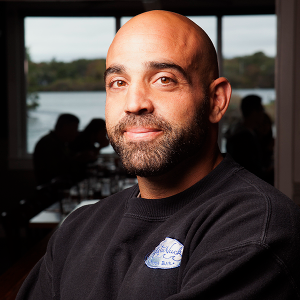
Perry Raso
Matunuck Oyster Farm, United States
Nguyen Quang Linh
Hue University, Vietnam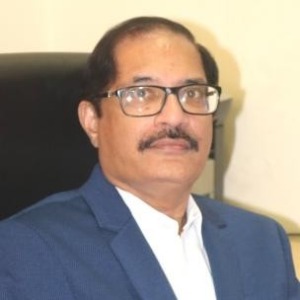
Pani Prasad Kurcheti
Fisheries University, India
Thomas Coates
Animal Research Initiative, United States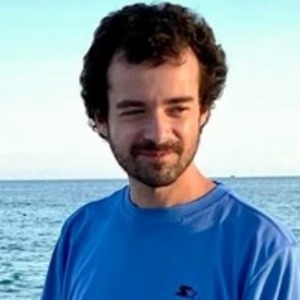
Adam Bell
PISCIS-AQUA LLC, United States
Zoe Alexander
University of Maine, United States
Amit Das
Memorial University of Newfoundland, CanadaSubmit your abstract Today


Title : Advancing disease resistance in largemouth bass: Effects of ß glucan on immunity and survival rates
Liang Liu, KEMIN, Belgium
Title : Antimicrobial resistance and biosecurity in aquaculture
Pani Prasad Kurcheti, Fisheries University, India
Title : Haringhata fish: A concept of responsible farming with sensible marketing for better livelihood and sustainable development
Subhas Das, The University of Burdwan, India
Title : Effect of acute toxicity of formalin on orechromis niloticus
Azuibuke Adams Chris , Nigeria police academy wudil Kano University, Nigeria
Title : Foresight, market and financial analysis of microalgae for aquaculture feed: use of Chlorella sorokiniana biomass in a hypothetical diet formulation for Pacific white shrimp (Penaeus vannamei)
Sergio Saraiva Nazareno dos Anjos, Brazilian Agricultural Research Corporation (Embrapa), Brazil
Title : Broodstock nutrition and reproductive success: recent advances and future perspectives
Uday Kumar Udit, ICAR Central Institute of Freshwater Aquaculture, India