6th Edition of
World Congress on Aquaculture, Fisheries & Marine Biology
Aquaculture Wastewater Treatment
Aquaculture Wastewater Treatment is an indispensable facet of sustainable aquatic farming, addressing the environmental challenges posed by the discharge of effluents from aquaculture facilities. Spanning a diverse array of techniques and technologies, this multifaceted discipline endeavors to mitigate the adverse impacts of aquaculture activities on water quality, ecosystems, and public health. In its essence, aquaculture wastewater treatment encompasses physical, chemical, and biological processes designed to remove or neutralize contaminants present in effluents generated by fish and shellfish farming operations. The initial phase typically involves the physical removal of solid particles through processes such as sedimentation and filtration, aiming to enhance water clarity and reduce suspended solids. Subsequently, chemical treatments, involving coagulation, flocculation, and precipitation, are employed to target dissolved pollutants, heavy metals, and nutrient excess, promoting a balanced aquatic environment. Furthermore, the biological dimension of wastewater treatment capitalizes on the natural capabilities of microorganisms to break down organic matter through aerobic or anaerobic processes, transforming pollutants into less harmful byproducts. Emerging technologies, including constructed wetlands and biofiltration systems, showcase the industry's commitment to sustainable practices. Striking a delicate balance between environmental preservation and the burgeoning global demand for seafood, the ongoing advancements in aquaculture wastewater treatment underscore its pivotal role in fostering a harmonious coexistence between aquaculture enterprises and the ecosystems they inhabit. As the world grapples with the imperative of responsible resource management, the refinement and widespread adoption of innovative wastewater treatment methodologies hold the promise of ushering in a new era of ecologically conscious aquaculture practices.

Joni Lee Giovanna Hesley
Emerita CropKing, United States
Perry Raso
Matunuck Oyster Farm, United States
Nguyen Quang Linh
Hue University, Vietnam
Thomas Coates
Animal Research Initiative, United States
Adam Bell
Mote Marine Aquaculture, United States
Zoe Alexander
University of Maine, United States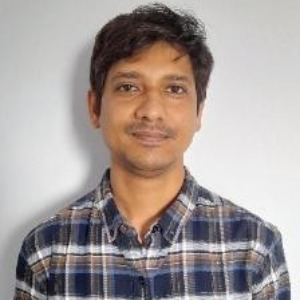
Amit Das
Memorial University of Newfoundland, CanadaSubmit your abstract Today


Title : Utilizing art to enhance learning STEM subjects required for aquaculture
Joni Lee Giovanna Hesley, Emerita CropKing, United States
Title : Advancing disease resistance in largemouth bass: Effects of ß glucan on immunity and survival rates
Liang Liu, KEMIN, Belgium
Title : Antimicrobial resistance and biosecurity in aquaculture
Pani Prasad Kurcheti, Fisheries University, India
Title : Haringhata fish: A concept of responsible farming with sensible marketing for better livelihood and sustainable development
Subhas Das, The University of Burdwan, India
Title : Effect of acute toxicity of formalin on orechromis niloticus
Azuibuke Adams Chris , Nigeria police academy wudil Kano University, Nigeria
Title : Foresight, market and financial analysis of microalgae for aquaculture feed: use of Chlorella sorokiniana biomass in a hypothetical diet formulation for Pacific white shrimp (Penaeus vannamei)
Sergio Saraiva Nazareno dos Anjos, Brazilian Agricultural Research Corporation (Embrapa), Brazil