6th Edition of
World Congress on Aquaculture, Fisheries & Marine Biology

Aquatic Ecology & Biodiversity
Ecology is the study of interaction of organism with one another and their surroundings. The study of these interactions in all aquatic habitats, including oceans, estuaries, lakes, ponds, wetlands, rivers, and streams, is known as aquatic ecology. Freshwater ecology and marine ecology are the two divisions of this field. In terms of latitudinal differences in diversity, radiation, temperature, geostrophic effects, and the impact of continuous litter inputs, warm water, the lack of ice, and common high flows, the aquatic ecology of tropical waterways have a different aquatic ecology than temperate streams. Understanding the fundamental components of aquatic ecosystems, as well as the interactions between aquatic organisms and their surroundings, can help control human impacts on these systems.
The variety of species and ecosystems that make up the freshwater, tidal, and marine regions of the earth, as well as their interactions, are referred to as aquatic biodiversity. Freshwater ecosystems such as lakes, ponds, reservoirs, rivers, streams, groundwater, and wetlands are all part of aquatic biodiversity. Aquatic biodiversity encompasses all distinct species, their habitats, and their interactions.
- Aquatic ecosystem
- Aquatic niche
- Physical attributes of aquatic life
- Aquatic environments
- Overexploitation of species
- Threats and conservation methods

Joni Lee Giovanna Hesley
Emerita CropKing, United States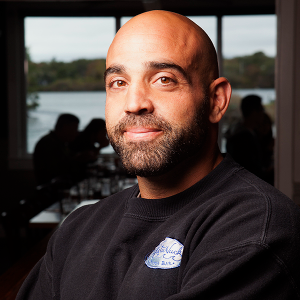
Perry Raso
Matunuck Oyster Farm, United States
Nguyen Quang Linh
Hue University, Vietnam
Thomas Coates
Animal Research Initiative, United States
Adam Bell
Mote Marine Aquaculture, United States
Zoe Alexander
University of Maine, United States
Amit Das
Memorial University of Newfoundland, CanadaSubmit your abstract Today


Title : Utilizing art to enhance learning STEM subjects required for aquaculture
Joni Lee Giovanna Hesley, Emerita CropKing, United States
Title : Advancing disease resistance in largemouth bass: Effects of ß glucan on immunity and survival rates
Liang Liu, KEMIN, Belgium
Title : Antimicrobial resistance and biosecurity in aquaculture
Pani Prasad Kurcheti, Fisheries University, India
Title : Haringhata fish: A concept of responsible farming with sensible marketing for better livelihood and sustainable development
Subhas Das, The University of Burdwan, India
Title : Effect of acute toxicity of formalin on orechromis niloticus
Azuibuke Adams Chris , Nigeria police academy wudil Kano University, Nigeria
Title : Foresight, market and financial analysis of microalgae for aquaculture feed: use of Chlorella sorokiniana biomass in a hypothetical diet formulation for Pacific white shrimp (Penaeus vannamei)
Sergio Saraiva Nazareno dos Anjos, Brazilian Agricultural Research Corporation (Embrapa), Brazil