
6th Edition of
World Congress on Aquaculture, Fisheries & Marine Biology

Global Market Trends of Aquaculture
The global aquaculture market has been growing steadily, driven by an increased demand for sustainable seafood and advancements in farming technology. As wild fish stocks decline and environmental awareness rises, more consumers are turning to farmed seafood as a sustainable option. Major growth areas include China, Southeast Asia, and Latin America, where improved aquaculture practices are helping boost production. In recent years, organic and eco-friendly feed options, along with automated aquaculture systems, have contributed to efficient resource use and reduced environmental impact. Additionally, regulatory frameworks promoting sustainable practices support growth across Europe and North America. While challenges like disease outbreaks and market fluctuations persist, the market shows resilience, with innovations continuing to support its upward trend.

Joni Lee Giovanna Hesley
Emerita CropKing, United States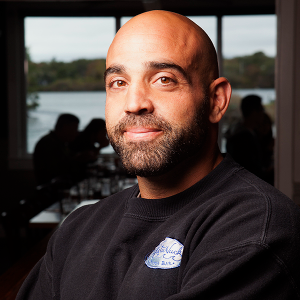
Perry Raso
Matunuck Oyster Farm, United States
Nguyen Quang Linh
Hue University, Vietnam
Thomas Coates
Animal Research Initiative, United States
Adam Bell
Mote Marine Aquaculture, United States
Zoe Alexander
University of Maine, United States
Amit Das
Memorial University of Newfoundland, CanadaSubmit your abstract Today


Title : Utilizing art to enhance learning STEM subjects required for aquaculture
Joni Lee Giovanna Hesley, Emerita CropKing, United States
Title : Advancing disease resistance in largemouth bass: Effects of ß glucan on immunity and survival rates
Liang Liu, KEMIN, Belgium
Title : Antimicrobial resistance and biosecurity in aquaculture
Pani Prasad Kurcheti, Fisheries University, India
Title : Haringhata fish: A concept of responsible farming with sensible marketing for better livelihood and sustainable development
Subhas Das, The University of Burdwan, India
Title : Effect of acute toxicity of formalin on orechromis niloticus
Azuibuke Adams Chris , Nigeria police academy wudil Kano University, Nigeria
Title : Foresight, market and financial analysis of microalgae for aquaculture feed: use of Chlorella sorokiniana biomass in a hypothetical diet formulation for Pacific white shrimp (Penaeus vannamei)
Sergio Saraiva Nazareno dos Anjos, Brazilian Agricultural Research Corporation (Embrapa), Brazil